

Salla is where most first-time Saudi sellers start — but its pricing page raises as many questions as it answers. What does the free plan really allow? When do you have to upgrade? And what does a Salla store actually cost per month once payments and extras are added? This guide breaks down Salla pricing for 2026 — the plans in SAR, what each one unlocks, and the costs that sit outside the plan price.
Salla Plans at a Glance (2026)
Salla pricing has three tiers (confirm the live figures on Salla’s pricing page — they run promotions often):
| Plan | Price (SAR/month) | Best for |
|---|---|---|
| Basic (Free) | 0 | New sellers testing an idea |
| Plus | 99 | Small businesses and growing stores |
| Pro | 299 | Established stores with volume and teams |
- Salla Basic (Free) — SAR 0. A real starting point: product listings, orders and a salla.sa subdomain. Built for testing an idea, not for a serious brand.
- Salla Plus — SAR 99/month (the tier most growing stores land on): custom domain, online payments, more marketing and design tools, and the integrations a trading store needs.
- Salla Pro — SAR 299/month: the top tier for established stores: advanced features, staff accounts, design customisation, integrated accounting, higher limits and priority capabilities for teams and volume.
(Plan names, prices and feature gates verified against salla.sa at the time of writing — check the live pricing page before subscribing; Salla adjusts plans and runs offers. Annual billing is 16% cheaper: Plus is SAR 990/year and Pro is SAR 2,990/year, instead of SAR 1,188 / SAR 3,588 at the monthly rate.)
What Each Plan Actually Unlocks
The plan decision is not about the sticker price — it’s about four gates:
- Your own domain. A free store lives on a Salla subdomain. A brand customers trust needs your own .com — a custom domain unlocks on Plus, and that alone pushes most sellers to a paid plan quickly.
- ZATCA Phase 2 e-invoicing. E-invoicing is built into Salla’s paid plans — if your turnover puts you in a Phase 2 wave, confirm your plan covers compliant e-invoicing before your integration deadline (see the ZATCA section of our pillar guide).
- Payment options. mada, Apple Pay and cards run through Salla’s payment partners on all serious plans; BNPL (Tabby/Tamara) and advanced options depend on plan + approvals.
- Apps, marketing and design depth. Abandoned-cart recovery, offers/discounts engines, advanced themes and app integrations are paid-plan territory.
The Costs Outside the Plan
Your Salla plan is only the first line of the budget:
- Payment gateway fees — per-transaction % + small fixed fee, paid to the gateway (see our gateway comparison for the ranges).
- Your domain — roughly SAR 50–100/year if you buy your own.
- Paid apps & themes — optional, but budget a small monthly stack as you grow.
- BNPL commissions — Tabby/Tamara take a merchant commission per order; it’s a conversion tool, priced per sale, not in the plan.
- Shipping — courier rates per order (or passed to the customer), via Salla’s shipping partners.
Realistic month-one math for a small store on Plus: SAR 99 (plan) + gateway fees on sales + domain — no salary-size surprises if you read the fee lines before you scale ads.
Free vs Plus: When Must You Upgrade?
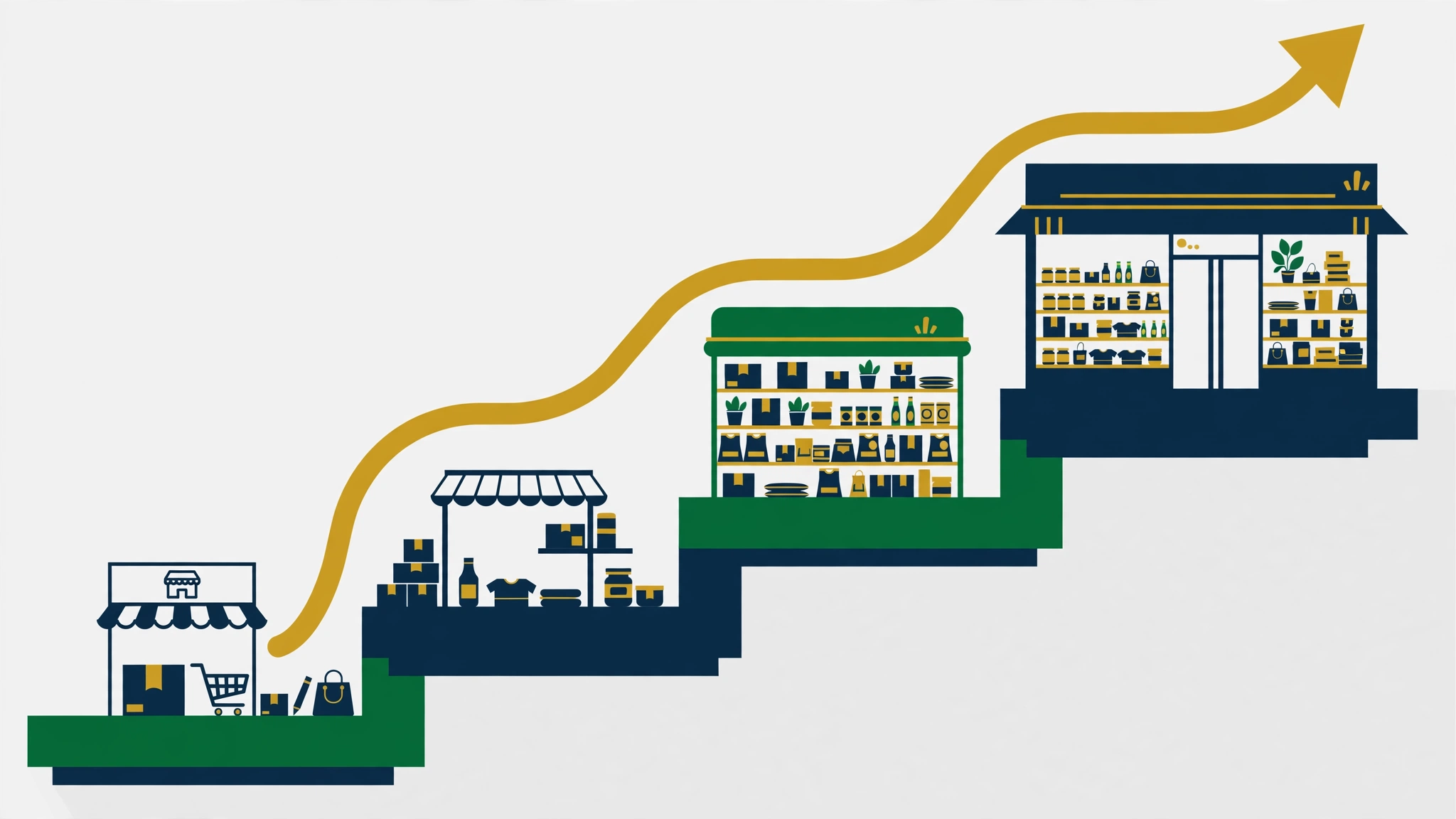
Stay on Free (the Basic plan) while you validate a product with a handful of orders. Upgrade to Plus the moment any of these become true: you want your own domain and branding; you’re running ads (sending paid traffic to a subdomain leaks trust); you need ZATCA-compliant e-invoicing; or you need cart-recovery/marketing tools. Most sellers who are actually trading upgrade within the first month — the plan pays for itself in conversion, not features.
Salla vs Zid Pricing — The Honest Comparison
Zid‘s structure mirrors Salla’s: a free entry tier and a paid tier also starting around SAR 99/month (Launch, verified on zid.sa). The sticker prices are nearly identical — the real difference is what each tier unlocks and which ecosystem fits your category, which is why our full platform comparison scores them on features and Saudi factors rather than price alone.
Verdict: Which Salla Plan Should You Pick?
- Testing an idea: Basic (Free).
- Trading seriously (the default for most): Plus at SAR 99/month.
- Volume, team, advanced needs: Pro at SAR 299/month — upgrade when a specific limit or feature blocks you, not before.
Start free if you must, budget Plus from day one if you’re serious, and re-check Salla’s live pricing page before paying — plan details change more often than blog posts do. If you are still at the setup stage, read our guide on how to start an ecommerce business in Saudi Arabia first.
Prices verified against Salla’s official pricing page at writing; confirm current figures before subscribing. Independent guidance, not sponsored.
Related Guides
- How to Start an Ecommerce Business in Saudi Arabia (2026 Guide)
- Salla vs Zid vs Shopify vs WooCommerce: Best Platform for a Saudi Store in 2026?
- Best Payment Gateways in Saudi Arabia for Online Stores (2026)
- Can You Use Shopify in Saudi Arabia? Payments, Pricing & ZATCA (2026)
- ZATCA E-Invoicing Phase 2 for Online Sellers: VAT Threshold, Wave 25 & the 1 Feb 2027 Deadline
- Zid Plans & Fees in Saudi Arabia: What Each Plan Unlocks (2026)
3 thoughts on “Salla Pricing in Saudi Arabia: Plans, Fees & What You Actually Pay (2026)”
Comments are closed.