
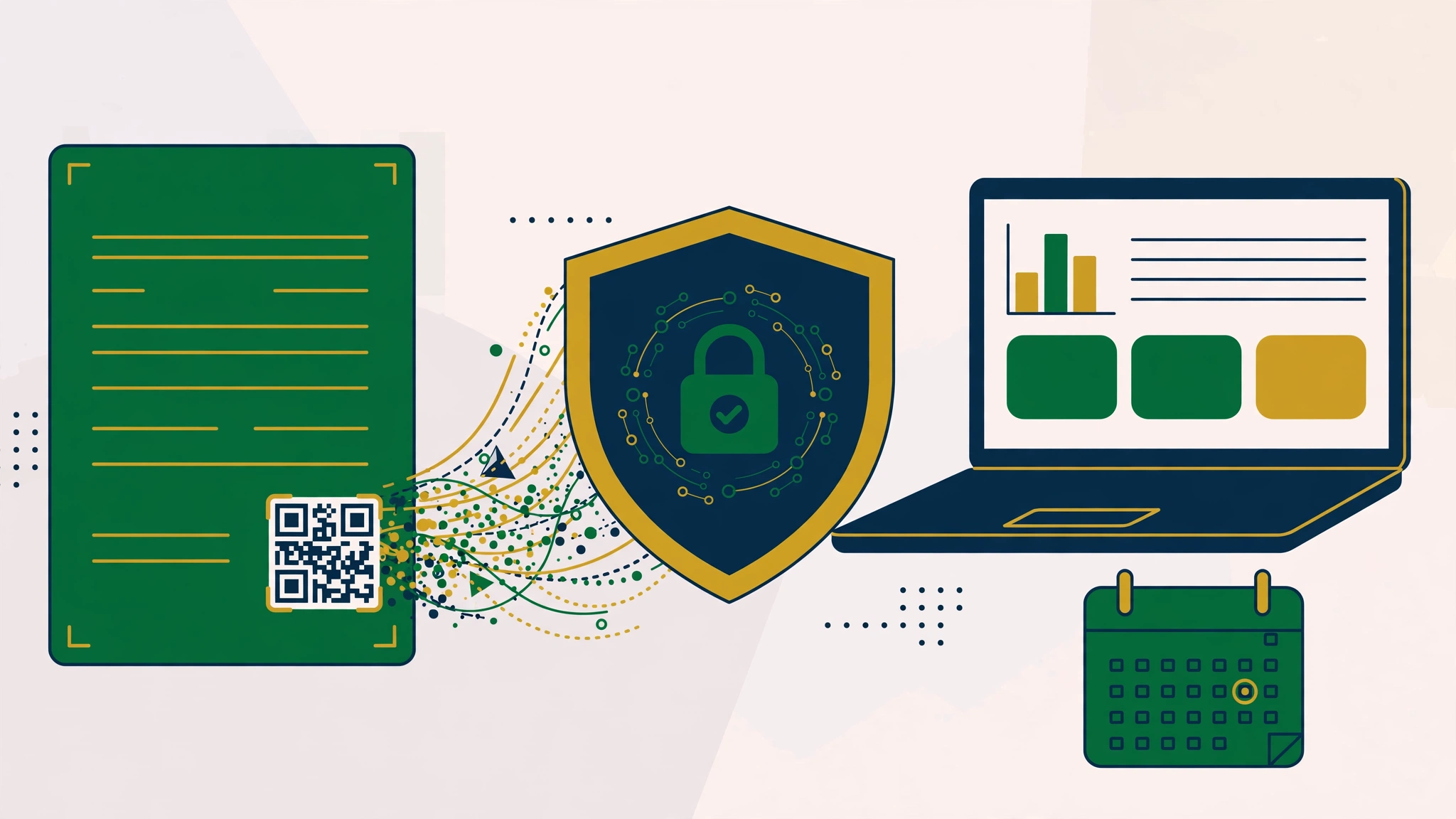
If you sell online in Saudi Arabia, ZATCA e-invoicing is the compliance topic you cannot postpone. Phase 2 (the “Integration Phase”) connects your invoicing system directly to ZATCA’s Fatoora platform — and it is rolling out in waves, business by business, with hard deadlines. This guide explains, in plain English, who must comply, which wave you are probably in, and what your platform (Salla, Zid or Shopify) does and does not handle for you.
VAT Registration vs E-Invoicing: Two Different Duties
Sellers mix these up constantly, so separate them:
- VAT registration is mandatory once your taxable turnover passes SAR 375,000 in a 12-month period (voluntary registration is possible from SAR 187,500). Registration gives you a VAT number and filing duties.
- E-invoicing (Fatoora) is about how invoices are issued. Phase 1 (since Dec 2021) banned handwritten/word-processor invoices and required electronic invoices with a QR code. Phase 2 adds live integration with ZATCA: invoices are generated in a structured format and cleared/reported through ZATCA’s system.
You can be below the VAT threshold and still sell through a platform that issues Phase 2-ready invoices — and if your revenue crosses a wave threshold, Phase 2 duties can reach you by notification even while your store is still small.
How Phase 2 Waves Work
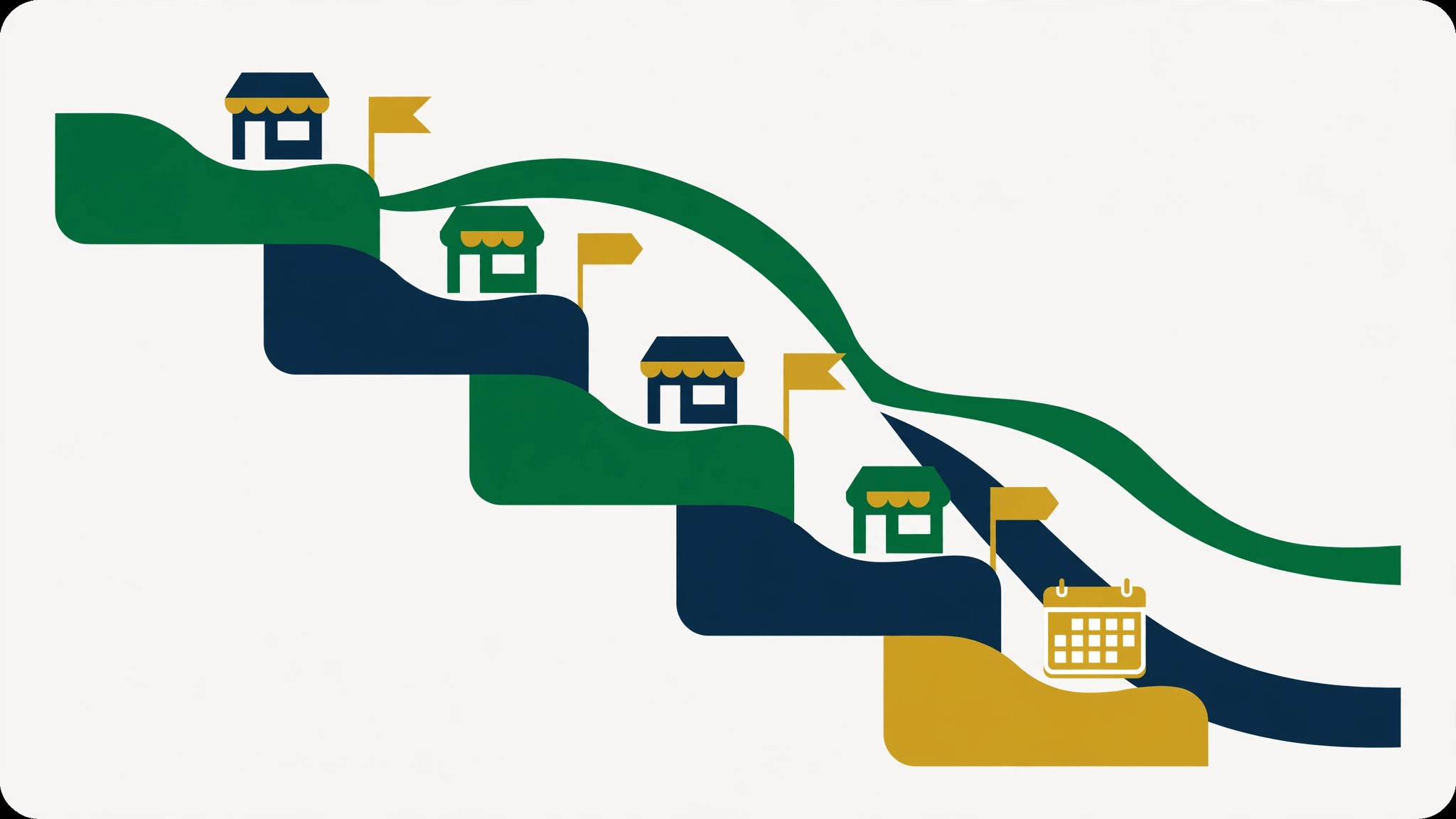
ZATCA is not switching everyone on one date. It announces waves, each defined by a revenue threshold (based on taxable revenue in 2022, 2023, 2024 or 2025), and notifies the businesses in that wave. Each wave gets an integration deadline several months out.
The wave that matters to most readers of this site: Wave 25 covers businesses with taxable revenue above SAR 187,500 in 2022, 2023, 2024 or 2025, with an integration deadline of 1 February 2027 (verify the current wave list on zatca.gov.sa — ZATCA updates it as new waves are announced). The pattern is unmistakable: thresholds keep dropping, so “too small to matter” is a temporary state, not a strategy. If your store is growing, plan as if your wave is coming.
What Phase 2 Actually Requires From Your Store
When your wave applies, every B2C and B2B invoice must:
- Be generated by an e-invoicing–compliant system connected to Fatoora (via the platform or an approved provider) — no PDFs typed by hand.
- Follow the structured format (XML/UBL-based) with the required fields, including a cryptographic stamp and, for simplified (B2C) invoices, a QR code customers can scan.
- Be cleared or reported to ZATCA in near-real time (B2B invoices are cleared before issuance; B2C simplified invoices are reported within 24 hours).
In practice, as a store owner, you do not build any of this yourself — you make sure your platform/provider does it, on time, for every order.
Salla, Zid and Shopify: Who Handles It?
- Salla: ZATCA integration is a listed platform feature — Salla describes built-in VAT support with ZATCA integration, with instant VAT activation on higher plans (see our Salla pricing breakdown for the plan details). This is Salla’s home-turf advantage: the compliance layer is part of the product.
- Zid: ZATCA Phase 2 e-invoicing is likewise built into Zid’s paid plans — one of the reasons Saudi-first platforms are the default recommendation for local sellers (see the platform comparison).
- Shopify: Shopify’s native invoices are not Phase 2 e-invoices. You need a ZATCA-compliant invoicing app/connector that syncs your orders into an approved e-invoicing system (as explained in our Shopify in Saudi Arabia guide). It works — but it is an extra subscription and one more moving part to keep compliant.

What To Do Now (Seller Checklist)
- Know your numbers: your 2022, 2023, 2024 or 2025 taxable revenue (wave targeting) and your rolling 12-month turnover (VAT threshold).
- Check your inbox/registration channels: ZATCA notifies targeted businesses — make sure the contact details on your CR and ZATCA registration are current.
- Confirm your platform’s Phase 2 status in writing — plan name, whether integration is active, and what (if anything) you must enable in settings.
- If you’re on Shopify or WooCommerce, budget the connector app now, not in deadline month.
- Keep records clean: e-invoicing makes your sales data structured and visible — your bookkeeping should match before the integration does it for you.
FAQs
I sell only on Instagram/WhatsApp — does this apply to me?
If you are a registered business issuing invoices, yes — the duty follows the business, not the storefront. Unregistered selling is a separate problem; formalise first (see our pillar guide).
What happens if I miss my wave deadline?
ZATCA can impose penalties for non-compliance with e-invoicing requirements. The amounts and enforcement are ZATCA’s domain — check their official guidance, and do not test it.
Does my payment gateway handle e-invoicing?
No — gateways move money. Invoicing sits with your platform/invoicing provider (see our payment gateway guide for the division of labour).
Wave thresholds, deadlines and requirements verified against ZATCA’s official site at writing — ZATCA updates waves periodically, so confirm your own status on zatca.gov.sa. This is general information, not tax advice.
Related Guides
- How to Start an Ecommerce Business in Saudi Arabia (2026 Guide)
- Salla Pricing in Saudi Arabia: Plans, Fees & What You Actually Pay (2026)
- Salla vs Zid vs Shopify vs WooCommerce: Best Platform for a Saudi Store in 2026?
- Best Payment Gateways in Saudi Arabia for Online Stores (2026)
- How to Set Up an Ecommerce Company in Saudi Arabia as a Foreigner: MISA, CR & Costs (2026)
3 thoughts on “ZATCA E-Invoicing Phase 2 for Online Sellers: VAT Threshold, Wave 25 & the 1 Feb 2027 Deadline”
Comments are closed.