

Every Saudi store’s margin is decided before the store exists — at sourcing. The same product can land in Riyadh at three different costs depending on whether you bought it on Alibaba, on 1688 through an agent, or from a local wholesaler in Jeddah. This guide compares the routes honestly, then walks the import steps that turn a China price into a Saudi landed cost.
Table of Contents
The Three Sourcing Routes at a Glance
| Route | Best for | MOQ reality | You handle |
|---|---|---|---|
| Alibaba (international) | Beginners, smaller orders, English-speaking suppliers | Low–medium (often 50–500 units; samples easy) | Supplier chat in English, Trade Assurance, forwarder booking |
| 1688.com (China domestic) | Lower unit prices, wider selection, experienced buyers | Low (often per-piece possible) but China-domestic logistics | Chinese language or a sourcing agent, China warehouse consolidation |
| Local Saudi wholesalers (Jeddah/Riyadh wholesale markets & importers) | Speed, no import risk, testing demand | Carton-level, cash-and-carry | Travel/inspection, cash flow, less exclusivity |
Alibaba: The Beginner-Friendly Route
- Suppliers quote in USD, chat in English, and ship internationally. Trade Assurance orders protect you if goods don’t match the agreement — always keep payment inside it.
- Unit prices run higher than 1688 for the same item (you’re paying for the export service and English handling). For a first product test, that premium buys simplicity.
- Always order samples first, verify quality/photos/video yourself, then scale. Product photos from suppliers are marketing, not evidence.
1688: Cheaper, Deeper, Chinese
- 1688 is Alibaba Group’s domestic wholesale platform: the same factories often list lower prices in RMB for the China market — but the platform is Chinese-language, pays via Chinese rails, and ships domestically only.
- The standard expat workflow: sourcing agent in China (finds/inspects goods, consolidates at a China warehouse, books freight) or a freight forwarder with a 1688-buying service. Agent fees are a real cost line — model them into landed cost (our pricing guide’s stack starts with exactly this number).
- The savings vs Alibaba are real at volume; at 20 units, agent + double handling usually eats them. Switch routes when order size justifies it, not before.
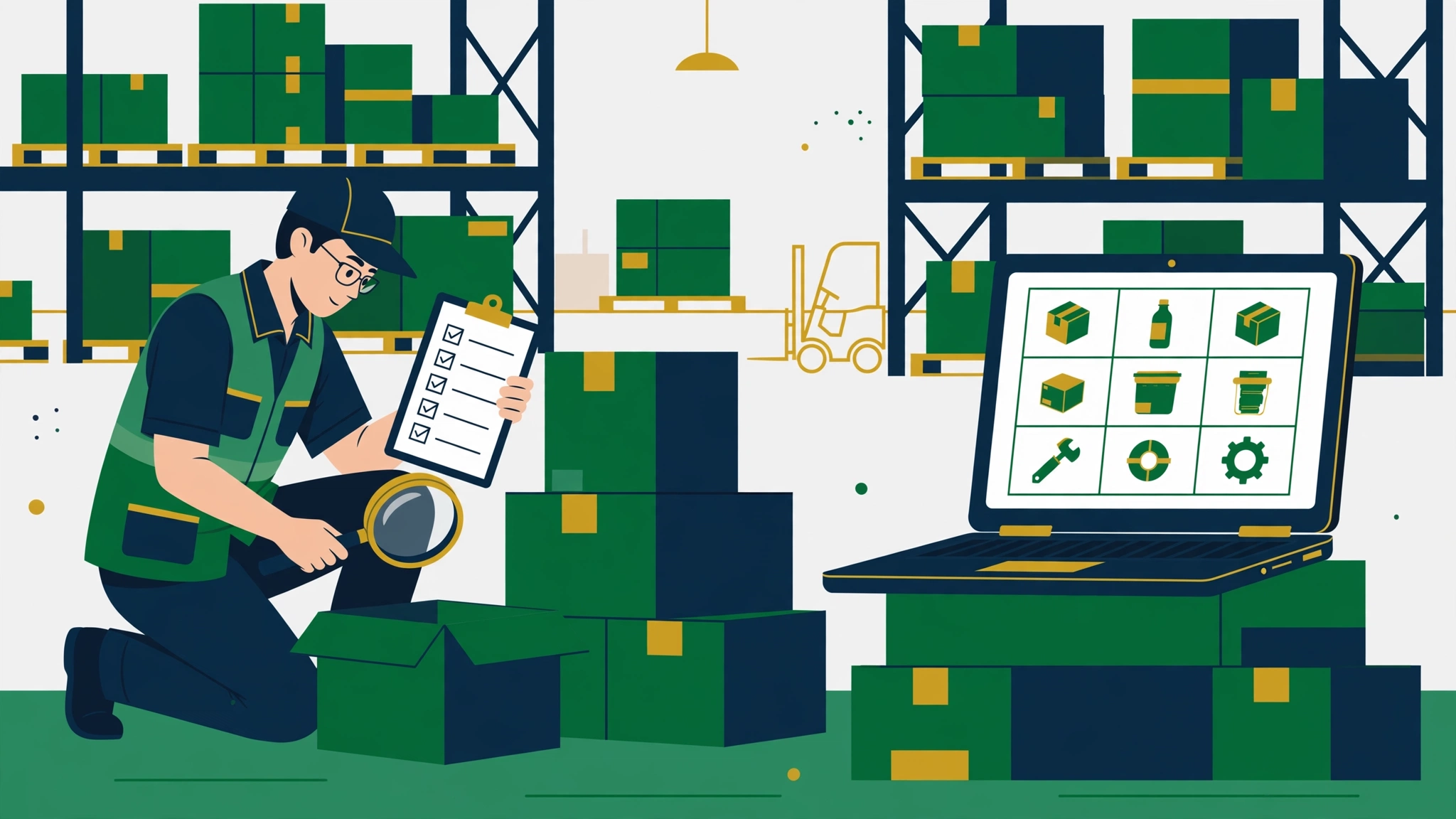
Local Wholesalers: The Underrated Test Channel
Jeddah and Riyadh wholesale markets (and Saudi-based importers/distributors) let you touch the product, buy cartons today, and test demand this week with zero import risk. Prices are higher than China-direct, but a product that fails locally costs you a carton — a product that fails from China costs you a shipment. Many established sellers still launch new lines locally, then move winners to 1688.
From China Price to Saudi Shelf: The Import Chain
- Buy + inspect (agent QC photos/video or inspection service).
- Consolidate + freight: air for light/urgent, sea for volume — your forwarder quotes per kg/CBM (rates move; get written quotes per shipment).
- SABER conformity: regulated products need product/shipment certificates through SABER under the SALEEM programme before customs will clear them — the same requirement covered in our Amazon.sa guide’s import section; budget the certificate cost per shipment.
- Importer of Record + customs: commercial imports clear under a CR with import activity (yours, your MISA company’s, or a licensed IOR service); duties/taxes per your product’s HS code — confirm the rate in the official tariff, it varies too much to generalise.
- Last leg: forwarder delivers to your storage or prep for FBA/FBN intake; couriers from our courier guide take it from the customer side.
Quality & Brand Traps
- Counterfeits/replicas: marketplaces and customs both punish them; unbranded or your-own-brand (white-label with your logo/packaging) is the sustainable play.
- Regulated categories (cosmetics, electronics, food-contact, children’s products) carry extra registrations — check the requirement before the order, not at the port.
- Supplier drift: re-inspect every production run; first-batch quality is a promise nobody made about batch three.
Verdict
Test locally or on Alibaba → validate demand → move winners to 1688 with an agent → keep the landed-cost stack honest in our pricing routine. Sourcing isn’t a hack; it’s the first line of your P&L — and the order of operations still starts with the legal store setup in our pillar guide.
Platform roles and the SABER/import framing reflect official programme pages at writing; freight and agent costs are quote-based — get written quotes per shipment. Independent guide; not sponsored.
Related Guides
- How to Price Products in Saudi Arabia: The Full SAR Cost Stack + Worked Example (2026)
- How to Sell on Amazon.sa: Registration, Fees, FBA & Non-Resident VAT Rules (2026)
- Best Courier & Shipping Companies for Online Sellers in Saudi Arabia (2026)
- How to Start an Ecommerce Business in Saudi Arabia (2026 Guide)
- Salla vs Zid vs Shopify vs WooCommerce: Best Platform for a Saudi Store in 2026?
3 thoughts on “Where to Source Products for a Saudi Online Store: Alibaba, 1688 & Local Wholesalers (2026)”
Comments are closed.