

Amazon.sa is the other giant. For sellers, it offers the region’s most mature marketplace machinery — FBA logistics, a huge catalogue culture, and buyers who trust Prime-style delivery. It also has the strictest rulebook of any channel in this series. This guide covers who can register, what Amazon charges, how FBA works in Saudi, and the two traps that catch foreign sellers: non-resident VAT and SABER import conformity.
Who Can Register to Sell on Amazon.sa?
Two very different routes:
1. Saudi-registered businesses (the main route). Amazon.sa’s seller registration is built around businesses registered in the Kingdom: expect to provide your Commercial Registration, VAT registration details (TRN) where applicable, a bank account for disbursements, and identity/KYC documents for the account holder. If your entity isn’t set up yet, do that first (pillar guide for the sequence; MISA route for foreign founders in our expat setup guide).
2. Sellers based outside Saudi Arabia. “Which countries can sell on Amazon.sa?” is one of the most-searched versions of this question — Amazon does allow many international sellers to list into its marketplaces, but selling into Saudi as a non-resident triggers Saudi tax and import rules that have nothing to do with Amazon’s own signup form. Read the VAT and SABER sections below before treating an approved seller account as permission to trade.
What It Costs: Referral Fees & Account Costs
- Referral fee per sale — a category percentage. Amazon’s official Saudi pricing pages put referral fees in the 5%–15% band for most categories — most referral fees are between 5% and 15%, starting from 5% (confirm the live schedule for your category inside Amazon’s official pricing pages/Seller Central resources before you price — fees change).
- FBA fees if you use Fulfilment by Amazon — fulfilment + storage charges by size/weight, on top of referral.
- Subscription — Amazon Saudi offers Individual and Professional selling plans; the Professional plan is currently shown with no monthly subscription fee for a limited time — confirm the current Saudi terms at registration.
- Returns and refunds are processed under Amazon’s policies — the cost of marketplace returns lands largely on the seller; price it in.
As with Noon (see our Noon guide), the discipline is the full stack: product + referral + fulfilment + returns + VAT, never product + referral alone.
FBA vs Shipping It Yourself
- Fulfilment by Amazon (FBA): stock sits in Amazon’s Saudi fulfilment centres; Amazon picks, packs, delivers and handles customer service for those orders. The conversion power of fast, Amazon-backed delivery is the point — paid for in fees and in inventory commitment.
- Merchant-fulfilled (self-shipping): you store and dispatch, using your own couriers, under Amazon’s delivery-performance standards.
The pattern mirrors Noon’s FBN decision: test merchant-fulfilled if you must, move winners into FBA, and never send FBA stock you haven’t cleared through the import rules below.
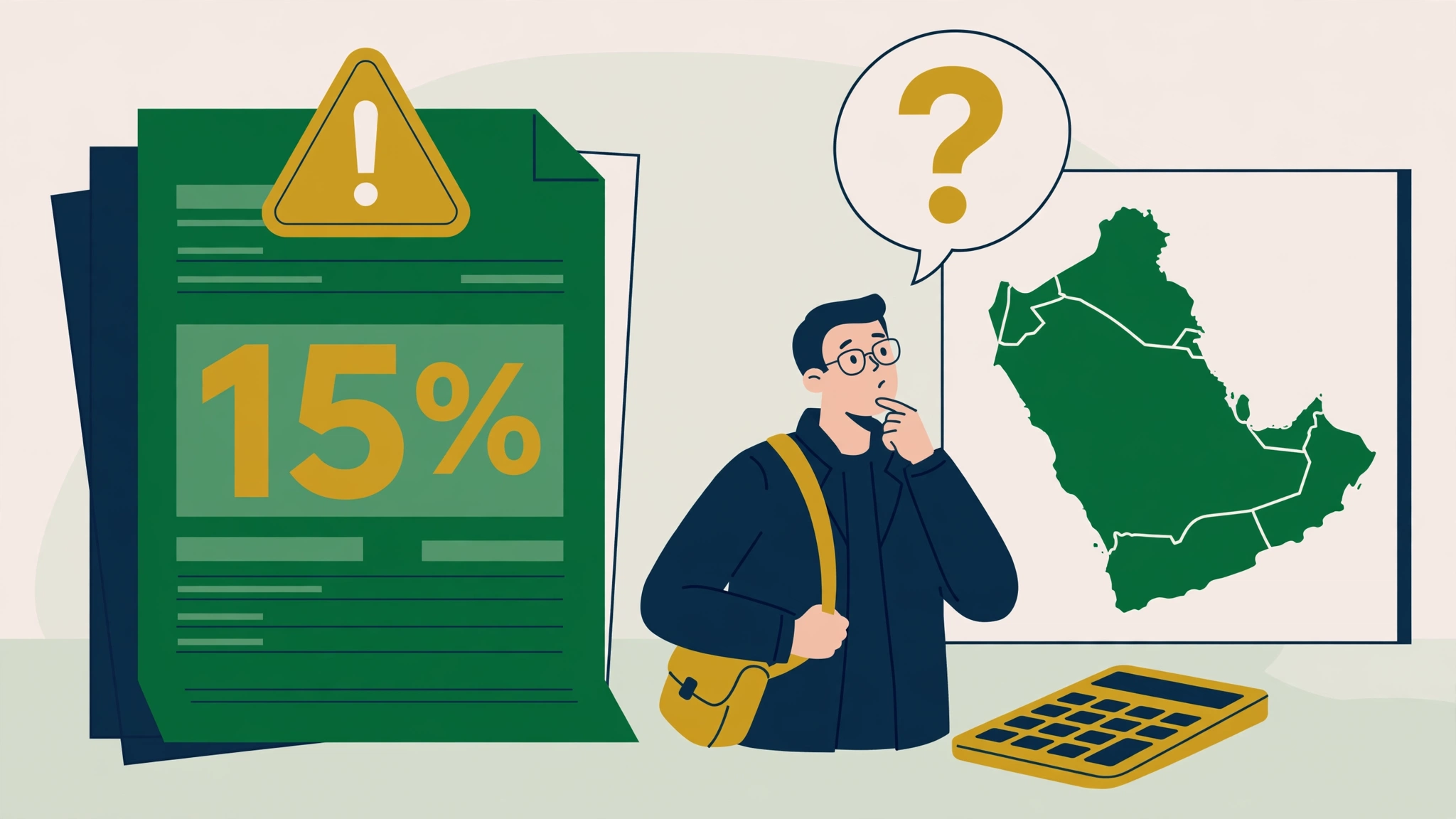
The Non-Resident VAT Trap (Read This Twice)
Saudi VAT has no registration threshold for non-residents: a business with no establishment in Saudi Arabia that sells goods or services to Saudi customers must register for VAT from the first sale, and non-resident registrants must appoint a tax representative in the Kingdom who shares liability for the tax. This applies to your own-store sales into Saudi — and it frames how foreign Amazon sellers must structure themselves. Marketplace facilitator rules can shift who accounts for VAT on a given sale, so confirm your exact position with ZATCA or a Saudi tax advisor before your first listing goes live. “Amazon let me register” is not tax advice.

SABER & Importing Stock for FBA
Products shipped into Saudi Arabia for resale must meet Saudi conformity rules administered through the SABER platform (product and shipment certificates) under the SALEEM programme, and commercial imports need an Importer of Record with the right activity on its CR. Sending FBA inventory to Saudi without the SABER/IOR chain sorted is how foreign sellers’ stock ends up stuck at the border. If you don’t have a Saudi entity, partner with a legitimate IOR service — and price it into your margins.
Amazon.sa vs Noon vs Your Own Store
Amazon.sa brings the strongest logistics brand and a research-driven buyer; Noon counters with regional focus and aggressive pricing culture; your own store keeps the margin and the customer. Most established sellers treat marketplaces as acquisition channels and the store as the profit/home base (our platform comparison covers the store side; our Noon guide covers Noon’s model). Start where your documents and margins are already clean — for Saudi-registered sellers that’s often both marketplaces plus the store; for non-residents, the VAT/SABER homework decides what’s even legal.
FAQs
Can I sell on Amazon.sa as an individual without a company?
Amazon’s Saudi seller onboarding is business-oriented; plan on a registered business (CR) for the local route. International registration routes exist but carry the VAT/SABER duties above.
Does Amazon.sa handle my VAT for me?
Marketplaces account for VAT on marketplace sales under Saudi rules in many cases, but your registration duties as a seller (especially non-resident duties and your other channels) remain yours. Verify with ZATCA.
How does Amazon pay sellers?
Disbursements to your registered bank account on Amazon’s settlement cycle, net of fees — confirm current timing in Seller Central resources.
Fees, requirements and programmes verified against Amazon’s official Saudi seller pages and ZATCA at writing; marketplace and tax rules change — confirm live before registering or shipping stock. Researched guide; not tax advice; not sponsored by Amazon.
Related Guides
- How to Start an Ecommerce Business in Saudi Arabia (2026 Guide)
- How to Set Up an Ecommerce Company in Saudi Arabia as a Foreigner: MISA, CR & Costs (2026)
- How to Sell on Noon Saudi Arabia: Seller Requirements, Fees & Fulfilment (2026)
- Salla vs Zid vs Shopify vs WooCommerce: Best Platform for a Saudi Store in 2026?
- ZATCA E-Invoicing Phase 2 for Online Sellers: VAT Threshold, Wave 25 & the 1 Feb 2027 Deadline
- Amazon.sa vs Noon vs Your Own Store: Where Should a Saudi Seller Sell in 2026?
2 thoughts on “How to Sell on Amazon.sa: Registration, Fees, FBA & Non-Resident VAT Rules (2026)”
Comments are closed.